
Easy Steps to Restart Your Lenovo Laptop Safely Anytime Easily

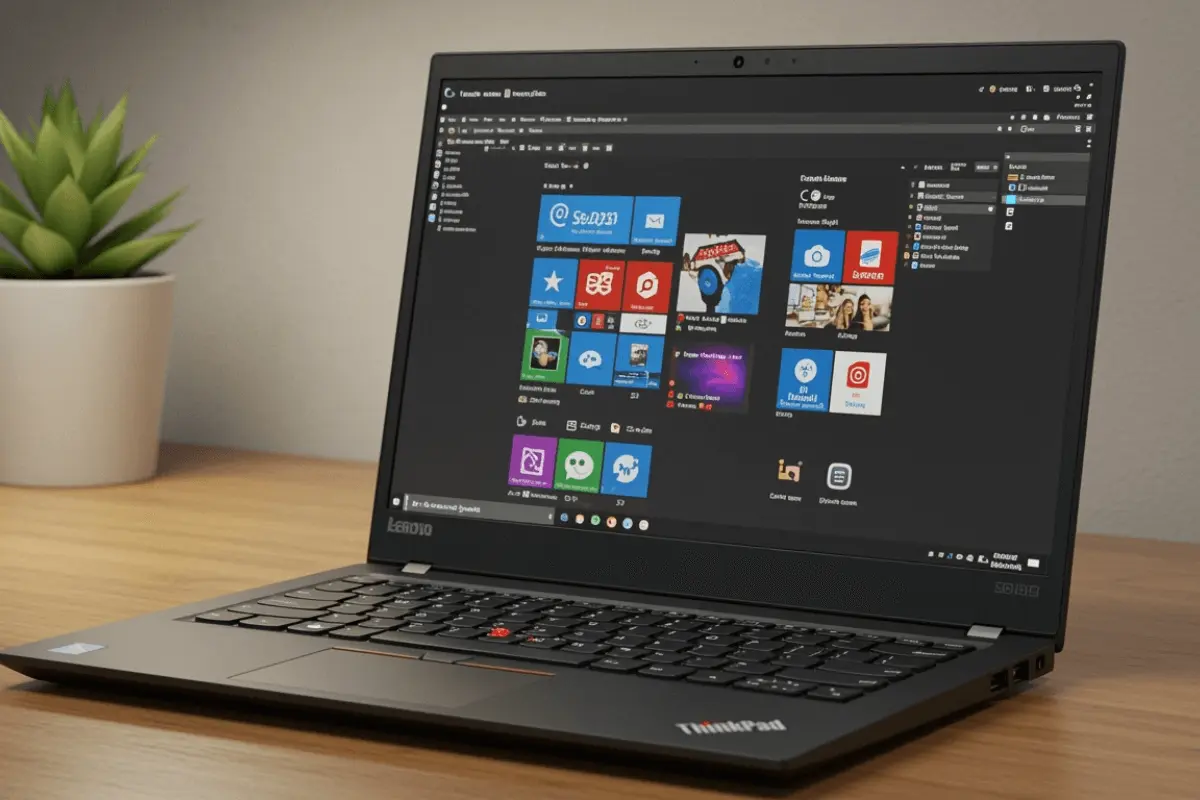
Whether your Lenovo laptop is running slow, frozen, or a program just won’t close, restarting it is often the quickest fix. Knowing how to restart your Lenovo laptop can save you time, prevent bigger issues, and get everything working smoothly again.
At Smart Spot, our tech experts help with all kinds of laptops — whether you own a new Lenovo laptop, a used Lenovo laptop or even want advice on finding the best Lenovo laptop for your needs. Restarting your device the right way is one of the simplest but most effective steps to keep your laptop performing at its best.
If your Lenovo laptop freezes or stops responding, you can restart it by holding the power button for a few seconds until it turns off completely. Wait a moment, then press the power button again to turn it back on. This quick action helps refresh the system and clear minor software problems.
For a smoother restart, you can also choose Restart from the Start menu instead of shutting it down manually. This allows Windows to close all programs safely before rebooting your Lenovo laptop.
Two Easy Ways to Restart a Lenovo Laptop
Sometimes your Lenovo laptop might slow down, freeze, or stop responding. Don’t worry—restarting it can usually fix the issue. Whether you’re using a new Lenovo laptop, a How to Restart your Lenovo Laptop or even the best Lenovo laptop model, these simple restart methods will help you get your device running smoothly again.
1. Restart Using the Start Menu
The easiest and most common way to restart your Lenovo laptop is by using the Start menu. This method is perfect for everyday restarts or when you’re fixing small problems like a slow system or unresponsive app.
Here’s how you can do it:
- Click on the Start button at the bottom-left corner of your screen.
- Select the Power icon.
- Click on Restart.
Your Lenovo laptop will shut down and start up again automatically. This simple restart refreshes your system and helps fix minor software bugs. Whether it’s your new Lenovo laptop or a used Lenovo laptop, using this option ensures a safe and clean restart without losing important data.
2. Restart Using Keyboard Shortcuts
If your screen is frozen and the Start menu doesn’t respond, you can restart your Lenovo laptop using keyboard shortcuts. This method is quick, easy, and works for almost every Lenovo model.
Follow these steps:
- Press Ctrl + Alt + Delete on your keyboard at the same time.
- When the screen changes, press the Tab key to highlight the Power icon and hit Enter.
- Use the arrow keys to select Restart, then press Enter again.
Your laptop will restart immediately. This shortcut method is great if your Lenovo laptop isn’t responding or the mouse isn’t working properly. No matter which method you choose, restarting your Lenovo laptop regularly helps improve performance, clear background processes, and prevent lag.
At Smart Spot, we recommend restarting your device at least once a week—especially if you use your best Lenovo laptop for gaming, design, or heavy work tasks. Even a simple restart can make a big difference in keeping your system fast and reliable.
How to Hard Restart a Lenovo Laptop
Sometimes, your Lenovo laptop may freeze completely or stop responding to any commands. When that happens, a normal restart might not work. In such cases, you can perform a hard restart (also called a force restart). This process helps refresh your system and fix temporary software crashes.
Whether you’re using a new Lenovo laptop, a used Lenovo laptop or even the best Lenovo laptop model, these simple steps can help you get it working again quickly.
Step-by-Step Guide to Hard Restart Your Lenovo Laptop
If your Lenovo laptop is frozen and the mouse or keyboard isn’t responding, here’s what you need to do:
- Press and hold the Power button on your Lenovo laptop until the screen goes black and the device turns off completely.
- Wait for about 10–15 seconds to let the system fully shut down.
- Press the Power button again to turn your laptop back on.
This is the quickest way to force a restart and can often solve issues like freezing, software errors or system lag.
Note: If you didn’t save your work before performing a hard restart, you might lose unsaved files or open documents. Always try to save your data before restarting if possible.
Advanced Method for a Full Power Reset
If your Lenovo laptop still doesn’t start properly after a hard restart, you can try a full power reset. This helps remove any leftover charge or temporary glitches in your laptop’s hardware.
Follow these steps carefully:
- Press and hold the Power button until your Lenovo laptop shuts down completely.
- Unplug all accessories such as a mouse, keyboard, external hard drive or monitor.
- Disconnect the power cord and, if your model has a removable battery, take the battery out.
- Now, press and hold the Power button for 15–20 seconds. This drains any remaining power from the system.
- Reinsert the battery (if removable) and connect the charger.
- Press the Power button to turn your laptop back on.
This deeper restart process can help when your Lenovo laptop is completely unresponsive or won’t boot up properly.
Why a Hard Restart Helps
A hard restart clears temporary files and power issues that might be stopping your Lenovo laptop from running normally. It’s a safe and simple way to bring your laptop back to life without visiting a technician.
If you use a new Lenovo laptop, it will usually restart faster due to improved hardware and updated systems. For a used Lenovo laptop, regular restarts and power resets can help maintain smooth performance and prevent lag.
And if you own the best Lenovo laptop for gaming or business, restarting regularly ensures your system stays fast, responsive, and protected from minor software issues.
At Smart Spot, we help Lenovo users with all types of troubleshooting—from basic restarts to advanced fixes. Whether you need help restarting your used Lenovo laptop or want expert advice on the best Lenovo laptop for your daily use, our team is here to guide you every step of the way.
Frequently Asked Questions (FAQs)
1. What should I do if my Lenovo laptop won’t restart?
If your Lenovo laptop doesn’t restart the normal way, don’t worry—there are a few easy things you can try. First, press and hold the Power button until the laptop turns off completely. Wait for a few seconds, then turn it back on.
If that doesn’t work, unplug the charger, remove all accessories like a mouse or USB drive, and—if you have a model with a removable battery—take the battery out. Then press and hold the Power button for 15–20 seconds. This clears leftover power from the system. Plug everything back in and turn your laptop on again.
This trick works for most new Lenovo laptops, used Lenovo laptops and even older models that might freeze or stop responding.
2. Will restarting my Lenovo laptop delete anything?
No, restarting your Lenovo laptop won’t delete your files, photos, or apps. It simply refreshes the system and closes running programs. However, if you’re working on something important, always save your progress first before restarting.
During a force restart, you might lose unsaved changes in open documents, but not your stored data. Whether you have a new Lenovo laptop or a used Lenovo laptop, restarting is completely safe and often helps fix temporary software glitches.
3. What’s the difference between restarting and shutting down a Lenovo laptop?
While both actions turn your laptop off, there’s a key difference.
- Restarting closes all apps, clears temporary files and refreshes your system, giving your laptop a clean start.
- Shutting down simply powers off the device without clearing the background processes or memory.
That’s why restarting your Lenovo laptop is a better choice when fixing slow performance, software bugs or small technical issues. If you use the best Lenovo laptop for work or gaming, restarting regularly can help it perform at its peak.
4. How often should I restart my Lenovo laptop?
Restarting your Lenovo laptop at least once or twice a week is a good habit. It helps remove background apps, apply system updates, and keeps your laptop running fast.
If you use your new Lenovo laptop daily for office tasks or a used Lenovo laptop for school or personal use, restarting regularly can make it feel smoother and prevent overheating.
Gamers or professionals using the best Lenovo laptop models should restart even more often—especially after long hours of use—to maintain top performance.
5. Why does my Lenovo laptop freeze sometimes?
Your Lenovo laptop might freeze for several reasons—too many open apps, low memory, outdated software, or overheating. Try closing unused programs and restarting the laptop to refresh it.
If you’re using a used Lenovo laptop, check if it needs system updates or a cooling clean-up. A new Lenovo laptop usually performs better, but even the best Lenovo laptop can slow down if it’s overloaded. Regular restarts help keep it stable.
6. What’s the safest way to restart a Lenovo laptop?
The safest way to restart your Lenovo laptop is through the Start menu. Click on the Start button, select Power and choose Restart. This allows the system to close programs properly before rebooting.
If your laptop is frozen and the Start menu won’t open, perform a hard restart by pressing and holding the Power button until it shuts off. Wait a few seconds, then turn it back on.
7. Can restarting fix a slow Lenovo laptop?
Yes, restarting often helps speed up a slow Lenovo laptop. Over time, background programs and updates can make your device sluggish. Restarting clears those temporary files and gives your system a fresh start.
If your used Lenovo laptop is running slowly, restart it regularly and keep your software updated. For the best Lenovo laptop performance, also make sure you have enough storage and RAM available.
8. Is it okay to restart my Lenovo laptop often?
Yes, restarting your Lenovo laptop often is perfectly fine and even healthy for your system. It helps clear memory, fix bugs, and refresh your device.
Whether you have a new Lenovo laptop, a used Lenovo laptop or one of the best Lenovo laptop models, restarting daily won’t harm your device—it actually helps it stay fast and stable.